Knee Osteoarthritis & Knee Replacement

Whether your goal is walking without pain, keeping up with family, getting back to hiking, returning to the golf course or recovering after knee replacement surgery,

we can help you move forward with expert advice and tailored rehabilitation.

If you have knee osteoarthritis or are preparing for or recovering from a knee replacement, we are here to help. At New Lynn Physio we combine personalised exercise programmes, education and objective strength testing to help you reduce pain, improve function and achieve YOUR goals.

Knee osteoarthritis (OA) is one of the most common causes of knee pain. It occurs when the joint undergoes gradual changes affecting the cartilage, bone and surrounding tissues. These changes are common as we age, where the pain and stiffness can often be effectively managed with the right treatment. Surgery is not the first option for most people, and many individuals experience excellent improvements through physiotherapy and exercise alone.

The evidence behind exercise-based treatment for knee OA

Exercise therapy for knee osteoarthritis isn’t just clinic opinion, it’s backed by strong international research. One of the best examples is GLA:D® (Good Life with osteoArthritis in Denmark): a programme developed by researchers at the University of Southern Denmark in 2013. GLA:D combines patient education with supervised neuromuscular exercise delivered by trained physiotherapists, and has since been rolled out in numerous countries worldwide, including New Zealand. Data collected from national and international patient registries has shown participants experience meaningful improvements in pain, physical function and quality of life, along with reduced reliance on pain medication and time off work.

Programmes like GLA:D reflect exactly the approach we take at New Lynn Physio: combining education, targeted exercise and objective progress tracking to help you manage knee OA effectively, without rushing to surgery.

How knee osteoarthritis rehabilitation works

PCExercise is the most effective long-term treatment for knee osteoarthritis. Our rehabilitation programmes and hands on treatment are tailored to your symptoms, and your life.

  1. Maintain long-term joint health: get a tailored exercise programme to help you stay pain free for longer
  2. Reduce pain and improve movement: manage pain, reduce stiffness and improve knee mobility
  3. Build strength and confidence: strengthen the muscles around the knee and hip while improving balance and walking ability
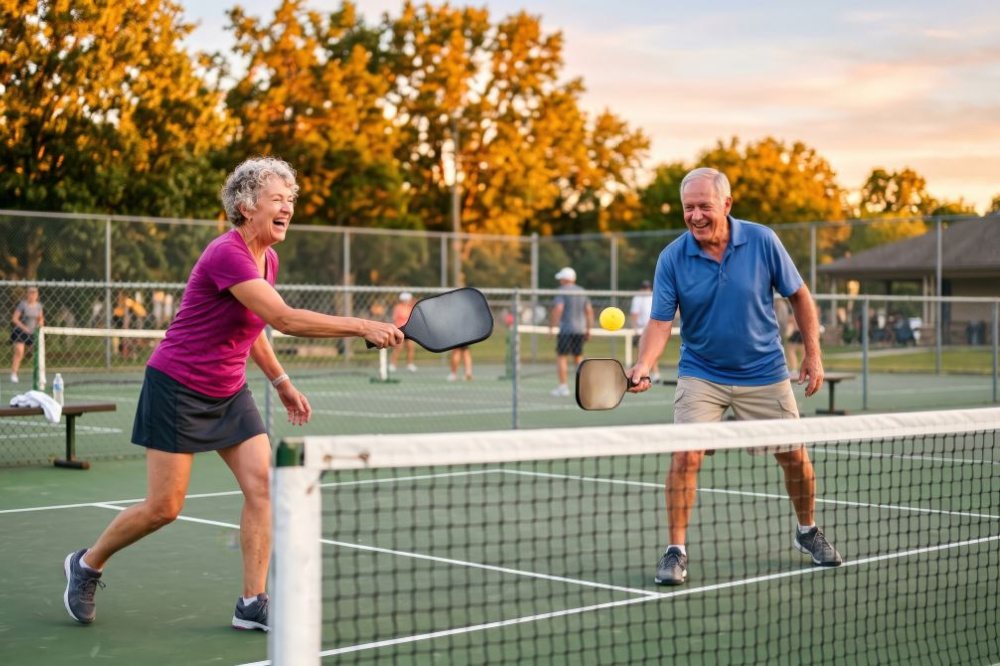
  4. Increase activity: progress to stairs, hills, longer walks, recreational activities and gym-based exercise

How knee replacement rehabilitation works

Recovery following a knee replacement is a structured process that focuses on restoring movement, rebuilding strength and helping you return to everyday activities safely.

  1. Early recovery: reduce swelling, restore knee movement and regain a normal walking pattern
  2. Strength and mobility: improve quadriceps strength, balance and functional movement
  3. Return to daily activities: progress stairs, longer walks, household tasks and recreational exercise
  4. Return to your lifestyle: continue building strength and confidence for long-term function

Frequently asked questions

Knee osteoarthritis is a condition where the knee joint gradually changes over time. These changes involve the cartilage, bone and surrounding tissues and can lead to pain, stiffness and reduced function. Although it is often described as “wear and tear,” we now know it is a whole-joint condition influenced by age, previous injuries, genetics, activity levels and overall health.

Yes. Physiotherapy is considered one of the most effective treatments for knee osteoarthritis. Research consistently shows that exercise therapy reduces pain, improves strength and helps people stay active. This is well demonstrated by programmes such as GLA:D, which has supported hundreds of thousands of patients internationally through structured, physiotherapist-led exercise and education. Our goal is to help you manage symptoms while improving your confidence and ability to do the activities you enjoy.

No. This is one of the biggest myths surrounding arthritis. Appropriate exercise is safe and is recommended by every major clinical guideline for knee osteoarthritis. Stronger muscles reduce the load placed on the knee joint and often improve pain and function.

Not necessarily. Many people successfully manage their symptoms for years through exercise, weight management, activity modification and physiotherapy. Knee replacement is usually considered when pain significantly limits your quality of life despite appropriate conservative management.

Before surgery, we often recommend a “prehabilitation” programme. Improving your strength, mobility and fitness before surgery has been shown to improve recovery afterwards. We also educate you on what to expect during the rehabilitation process.

Rehabilitation begins soon after surgery. Early goals include reducing swelling, regaining knee movement and restoring walking. As your recovery progresses, we focus on rebuilding strength, improving balance and returning to activities such as stairs, gardening, golf, cycling and hiking.

Most people are walking independently within several weeks, although recovery continues for many months. As a general guide:

  • Walking without walking aids: 2–6 weeks
  • Driving: approximately 4–6 weeks (depending on which leg was operated on and medical clearance)
  • Returning to office work: 4–8 weeks
  • Returning to more physical work: 3–6 months
  • Full recovery: approximately 6–12 months

Everyone progresses at a different rate, and rehabilitation is based on achieving milestones rather than simply waiting for time to pass.

Many people return to recreational activities including golf, swimming, cycling, doubles tennis, hiking and gym exercise following a knee replacement. High-impact activities such as running and jumping are generally not recommended following a total knee replacement, although recommendations vary depending on the individual and surgeon.

The best programme usually includes:

  • Quadriceps strengthening
  • Hip strengthening
  • Balance exercises
  • Walking or cycling
  • Mobility exercises
  • Functional movements such as sit-to-stands and stair training

Your physiotherapist will tailor these exercises to your current ability and progress them over time.

While the structural changes associated with osteoarthritis cannot be reversed, regular exercise, maintaining a healthy body weight, staying active and building strength can significantly reduce symptoms, improve function and help you remain independent for longer.

At New Lynn Physio, we combine evidence-based rehabilitation with personalised care to help you achieve the best possible outcome. Whether you’re managing arthritis or recovering after surgery, we use objective strength testing with VALD technology, progressive exercise programmes and clear rehabilitation milestones to guide your recovery. Our goal is not simply to reduce pain but to help you return confidently to the activities that matter most to you.

Contact New Lynn Physio to book your rehab assessment and take the next step,
reclaiming your knee and rebuilding your confidence!