
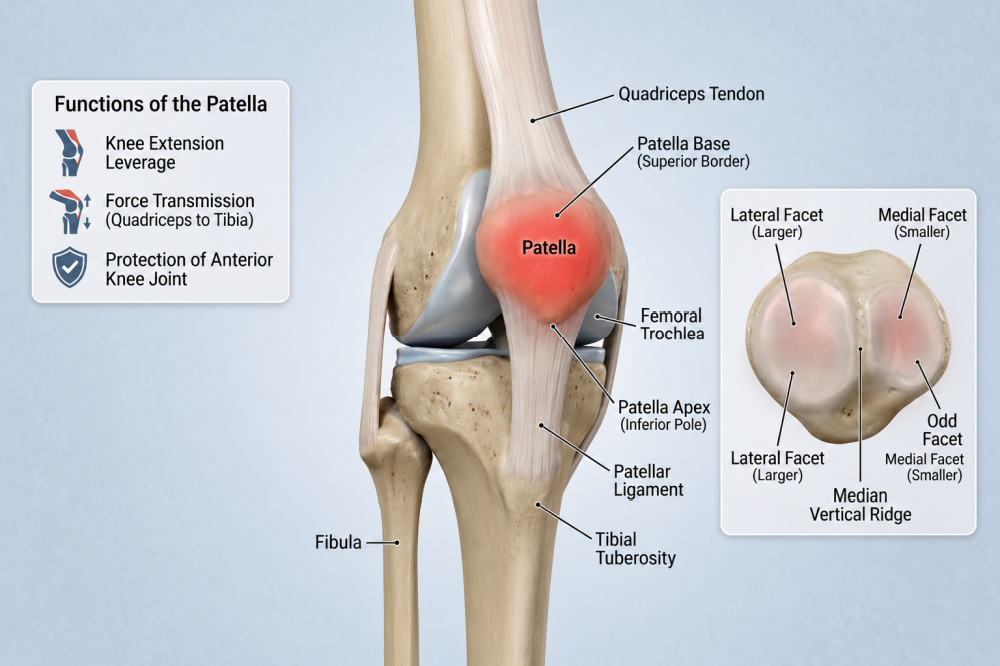
Are you experiencing pain at the front of the knee?
At New Lynn Physio, we can help you eliminate this pain to get you back performing at your best!
We will not only look at the knee, but look up and down the chain to look for all factors that may be contributing towards your symptoms. We do this through movement analysis as well as using our VALD force decks and dynamometry device to look for side to side differences and calculate strength normatives. From this, we will develop an appropriate strengthening programme tailored to you. Current best-practice evidence supports an individually tailored programme combining targeted strengthening, patellar taping and education for exactly this reason (Barton et al, 2015).
Our approach to treatment: taping and targeted strengthening
PCL Patellofemoral pain can be a frustrating, often recurring condition, because it’s rarely caused by just one thing. Correct alignment of the patella (kneecap) within the trochlear groove depends on the coordinated action of several muscles, particularly the quadriceps (including the VMO, or vastus medialis oblique), hip and gluteal muscles, and the muscles controlling the alignment of the whole lower limb. Getting lasting results means addressing all of these, not just the knee in isolation.
Taping. Where appropriate, we use the McConnell taping method, developed by Australian physiotherapist Jenny McConnell and taught to physiotherapists worldwide. This involves applying rigid tape across the kneecap to help correct its position within the trochlear groove. Taping is used as a short-term tool alongside exercise; it can reduce pain almost immediately, which allows the VMO to activate more effectively and lets you strengthen without aggravating your symptoms.
Progressive, pain-free VMO strengthening. Once your pain is settled enough to exercise comfortably, we build a strengthening programme specifically targeting the VMO, alongside the surrounding hip and gluteal muscles that control leg and knee alignment. Exercises are introduced and progressed gradually, always staying within a pain-free range, so we build genuine strength and control rather than just pushing through discomfort, which can flare symptoms and set recovery back.
Addressing the whole picture. Because patellofemoral pain often recurs if the underlying contributing factors aren’t fully addressed, we look beyond the knee itself, assessing hip strength and control, foot and lower limb alignment, and movement patterns during activities like running, squatting and stairs, to reduce the risk of your symptoms coming back once you’re pain-free.
Frequently asked questions
Reference: Barton CJ, Lack S, Hemmings S, Tufail S, Morrissey D. The ‘Best Practice Guide to Conservative Management of Patellofemoral Pain’: incorporating level 1 evidence with expert clinical reasoning. British Journal of Sports Medicine. 2015;49(14):923–934. https://pubmed.ncbi.nlm.nih.gov/25716151/